
Compare Local Contractors for Main Water Line Installation
Compare local contractors for main water line installation to define scope, verify experience, and set clear expectations in writing for a successful project.
Main water line installation involves connecting a property’s plumbing system to the municipal water supply or a private well. This work typically includes excavating the area to access the existing underground water main, installing new piping that meets local codes, and ensuring proper connections to the home’s internal plumbing. The scope may also cover testing the new line for leaks, restoring landscaping or pavement after installation, and ensuring the system functions safely and reliably. Understanding what this type of work entails helps property owners communicate their needs clearly and ensure the project addresses all necessary components.
Defining the scope of a main water line installation is essential to set clear expectations and avoid misunderstandings. A detailed scope should specify the length and type of pipe to be installed, any necessary permits or inspections, and the extent of excavation or restoration work required. Clarifying these details beforehand allows property owners to evaluate whether a contractor’s proposal aligns with the project’s needs. It also helps ensure that all parties agree on the work to be performed, reducing the risk of surprises or additional costs later in the process.
When comparing local contractors for main water line installation, property owners should consider experience with similar projects, local knowledge of utility connections, and the quality of previous work. Verifying a contractor’s familiarity with local codes and regulations can help ensure compliance and smooth permitting. Reviewing references or past projects can provide insight into their reliability and craftsmanship. It’s also helpful to obtain written descriptions of the scope and materials to be used, ensuring that expectations are clear and consistent across different service providers. This approach supports making an informed decision based on experience and professionalism.
Compare local contractors by outlining project priorities, verifying experience, and setting clear expectations in writing.
- Verify Experience and Credentials - Ensure contractors have relevant experience with main water line installations to meet project requirements.
- Define Project Scope Clearly - Outline the specific work needed to help contractors provide accurate proposals and avoid misunderstandings.
- Compare Multiple Service Providers - Review and evaluate local contractors to identify those with suitable expertise and reliable track records.
- Document Expectations in Writing - Establish detailed agreements covering work scope, materials, and responsibilities to set clear project expectations.
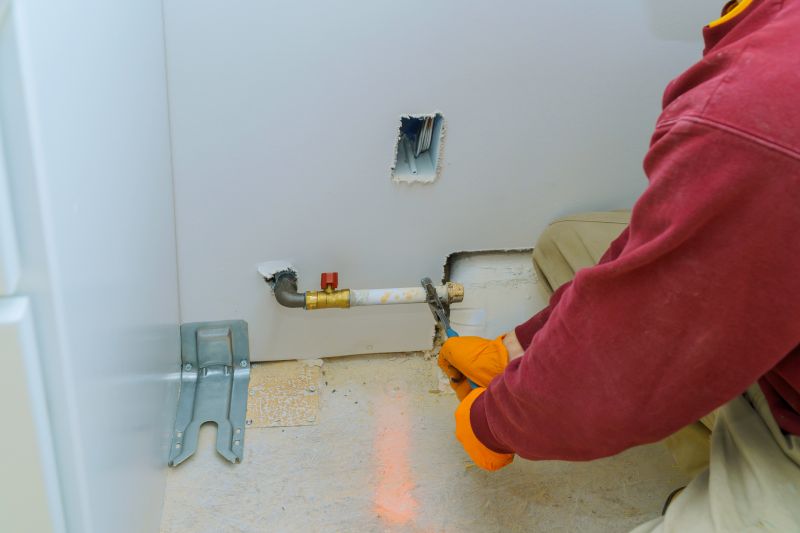
Clearly describe your main water line installation project to effectively compare local contractors, define scope, and verify experience.
- Verify experience and credentials of service providers handling water line installations. - Ensure contractors have a proven track record with similar projects in residential or commercial settings.
- Define the scope of work clearly in written agreements to avoid misunderstandings. - Specify details such as pipe materials, installation methods, and any necessary permits.
- Check references or reviews to assess the quality of previous water line installation work. - Look for feedback on reliability, workmanship, and professionalism from past clients.
- Confirm that service providers are familiar with local codes and regulations related to water line installation. - Ensure compliance to prevent issues with inspections or future problems.
- Discuss the installation process and what to expect during each phase to set clear expectations. - Clarify responsibilities, access requirements, and any potential disruptions.
- Compare multiple local contractors to evaluate their experience, scope, and communication before making a selection. - Gathering multiple quotes and proposals helps in assessing the best fit for the project.
Compare local contractors’ experience, clarify project scope, and document expectations to ensure a smooth installation.
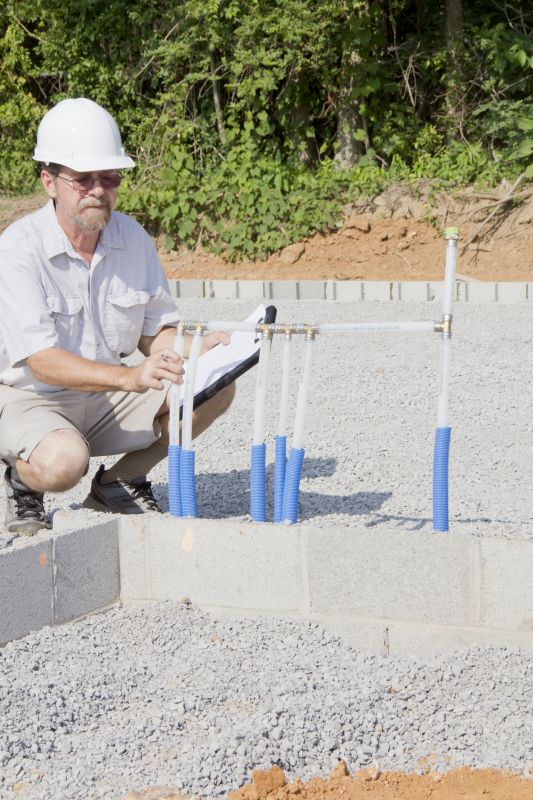
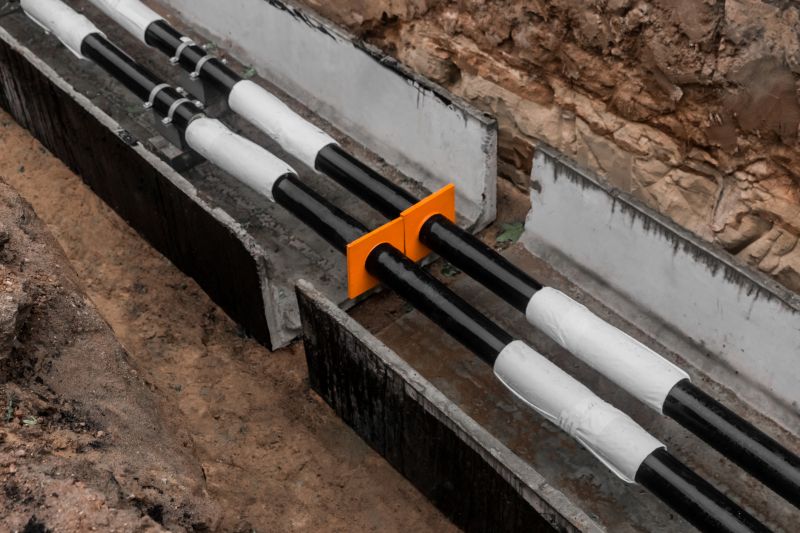
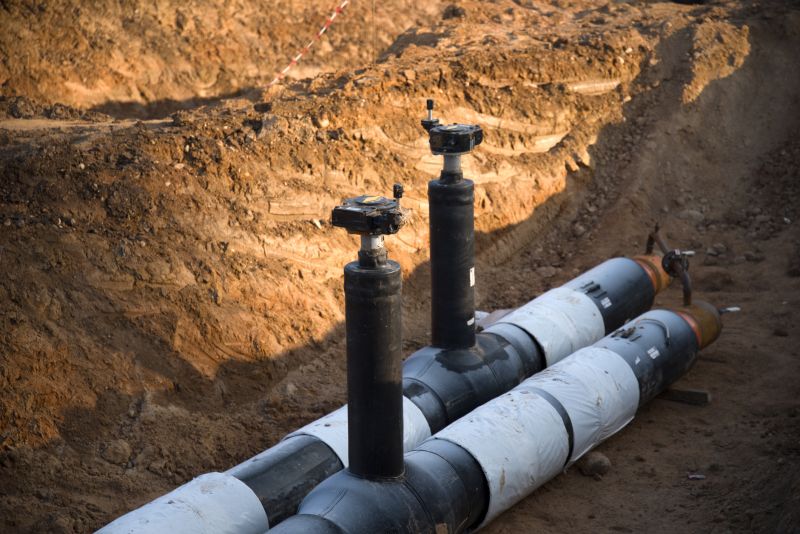
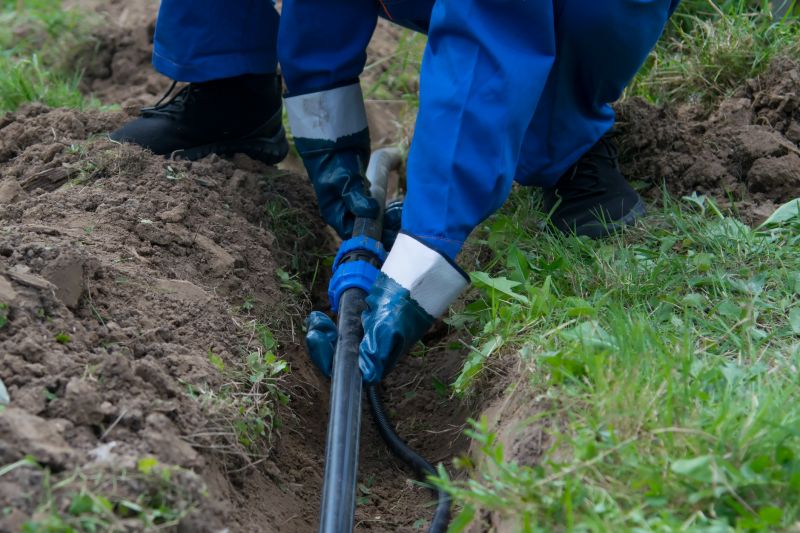
Compare local contractors' scope, experience, and written expectations to ensure consistent standards across providers.
- Project Scope Definition - Clearly outline the specific tasks and responsibilities involved in the main water line installation.
- Material Specifications - Determine the types and quality of pipes and fittings to be used for the installation.
- Site Assessment - Evaluate the location, accessibility, and existing infrastructure to inform the installation plan.
- Work Area Boundaries - Define the exact boundaries where the water line will be installed to prevent misunderstandings.
- Warranty and Service Expectations - Establish written agreements on workmanship, material guarantees, and post-installation support.
When evaluating contractors for main water line installation, it is important to consider their experience with similar projects. Homeowners should inquire about the number of completed installations comparable in scope and complexity to their own. Service providers with a proven track record in handling main water line replacements or installations in residential settings are more likely to have the practical knowledge needed to navigate common challenges and ensure a successful outcome. Verifying a contractor’s familiarity with local codes and typical site conditions can also help determine their ability to deliver reliable results.
A clear, written scope of work is essential for setting expectations and avoiding misunderstandings. Homeowners should seek detailed descriptions of the services included, such as trenching, pipe installation, backfilling, and site restoration. A comprehensive scope helps ensure that both parties have a shared understanding of what the project entails and reduces the likelihood of scope creep. Service providers who can articulate their process and outline specific tasks demonstrate professionalism and transparency, making it easier for homeowners to compare options effectively.
Verification basics involve confirming that contractors have the necessary experience and a solid understanding of project requirements. Homeowners can ask for references or examples of past work similar to their project. It’s also helpful to verify that the service provider has a thorough approach to site assessment, including checking existing infrastructure and identifying potential obstacles. Ensuring that the contractor’s methodology aligns with best practices can contribute to a smoother installation process and long-term reliability of the water supply system.
When comparing options, homeowners should focus on evaluating the professionalism and thoroughness of each service provider’s proposal. This includes reviewing the scope of work, the level of detail provided, and the contractor’s approach to project planning and site management. Asking questions about their experience with specific site conditions or pipe materials can also help clarify their expertise. Ultimately, selecting a contractor involves assessing their ability to deliver a comprehensive, well-documented plan that aligns with the homeowner’s expectations and project requirements, ensuring a successful main water line installation.
Ask contractors to provide written scope details to ensure clear expectations and consistent project understanding.
- Experience and Credentials - What experience do local contractors have with main water line installations similar to the scope needed?
- Scope Definition - How clearly do contractors outline the work included and any potential additional tasks?
- Comparison of Services - How do different service providers' offerings and approaches to main water line installation differ?
- Project Expectations - What should be included in the written scope to ensure all aspects of the installation are covered?
- Communication and Clarification - How do contractors clarify project details and address questions about the installation process?
What should be included in a scope of work for main water line installation? A clear scope of work should outline the specific tasks, materials, and responsibilities involved in the installation process, ensuring all parties have aligned expectations.
How can I verify the experience of a contractor for water line installation? Review the contractor’s past projects, ask for references, and confirm their familiarity with local codes and standards related to water line work.
Why is it important to compare multiple contractors for this service? Comparing different contractors helps identify those with relevant experience, proper communication, and a track record of quality work, aiding in making an informed decision.
What questions should I ask when evaluating contractors for main water line installation? Ask about their experience with similar projects, how they define project scope, and how they handle unexpected issues during installation.
How can I ensure a contractor understands my project needs? Clearly communicate your expectations, provide detailed information about your property, and request written confirmation of the scope and responsibilities before work begins.
What is the benefit of having a written agreement with a contractor? A written agreement helps establish clear expectations, scope of work, responsibilities, and can serve as a reference if disputes arise during the project.
By exploring options for main water line installation, visitors can gain a clearer understanding of how to define the scope of their project, verify the experience of local contractors, and set clear expectations in writing. Comparing different service providers helps ensure that the chosen contractor aligns with individual project needs and preferences, fostering a smoother installation process.
Utilizing the quote form allows homeowners to easily connect with qualified local contractors who can handle main water line installation. This step provides an opportunity to gather information, ask questions, and evaluate options side by side, supporting informed decisions when selecting the right service provider for the job.