
Compare Local Contractors for Grease Trap Pumping Services
Compare local contractors for grease trap pumping to define scope, verify experience, and set clear expectations for a reliable, professional service.
Contractors specializing in grease trap pumping typically handle the removal of accumulated fats, oils, and solids from commercial and industrial grease traps. This work involves thoroughly pumping out the trap, cleaning its interior components, and inspecting the system for any signs of damage or wear. Proper maintenance of grease traps is essential for preventing clogs and backups in plumbing systems, ensuring compliance with local regulations, and maintaining smooth operation of food service facilities or other establishments that generate significant grease waste.
Clearly defining the scope of grease trap pumping services is important for property owners to set appropriate expectations and ensure the work covers all necessary tasks. A comprehensive scope might include the removal of waste, cleaning of the trap and associated components, inspection for potential issues, and recommendations for ongoing maintenance. When engaging with contractors, it is valuable to specify what parts of the system need attention and whether additional services, such as repairs or system upgrades, are desired. Having these details in writing helps prevent misunderstandings and ensures that the work performed aligns with the property's needs.
Comparing local contractors for grease trap pumping involves evaluating their experience, reputation, and the range of services offered. Property owners can review credentials such as customer feedback or references to gauge reliability and quality of work. It’s also helpful to verify that contractors are familiar with local codes and regulations related to grease trap maintenance. When requesting proposals or estimates, providing a detailed scope of work allows for more accurate comparisons. By considering these factors, property owners can identify service providers who are well-equipped to meet their specific needs and maintain the proper functioning of their grease management systems.
Compare local contractors by outlining your priorities, verifying experience, and setting clear scope and expectations.
- Compare Service Providers - Review multiple local contractors to find the best match for grease trap pumping needs.
- Define Scope Clearly - Specify the work required to ensure all parties understand the service expectations.
- Verify Experience and Reputation - Check credentials and reviews to select experienced contractors with reliable track records.
- Document Agreements in Writing - Establish scope, responsibilities, and expectations through detailed written agreements.
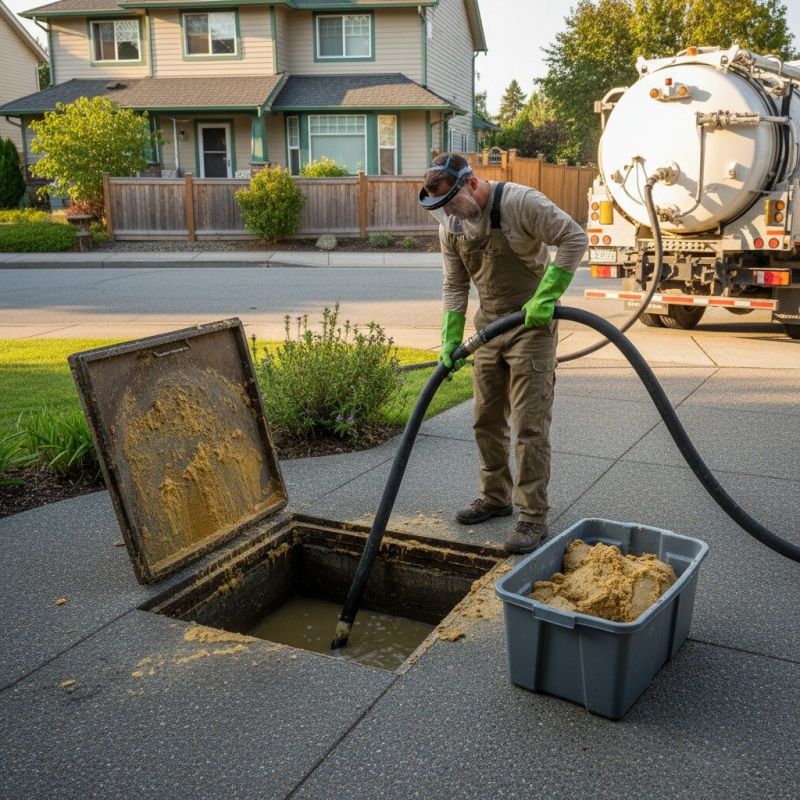
Clearly describe your grease trap pumping project to help compare local contractors, define scope, and set expectations in writing.
- Verify that the scope of grease trap pumping services is clearly outlined in the agreement. - Ensure the contractor specifies what areas or equipment will be serviced during the job.
- Check that the contractor has experience handling grease trap pumping for similar facilities. - Look for proof of relevant work history or references from previous clients.
- Confirm that the contractor follows proper disposal procedures for waste materials. - Make sure waste removal and disposal methods comply with local regulations.
- Request a detailed description of the cleaning process and what to expect during service. - Clarify the steps involved and any preparations needed beforehand.
- Ensure the contractor provides a written estimate of the scope and any additional charges. - Review the scope of work and confirm there are no hidden or unexpected costs.
- Compare multiple service providers to assess their experience, scope of services, and written agreements. - Use comparison to select a contractor that best aligns with project needs.
Compare local contractors’ experience and clarify scope to ensure effective grease trap pumping services.
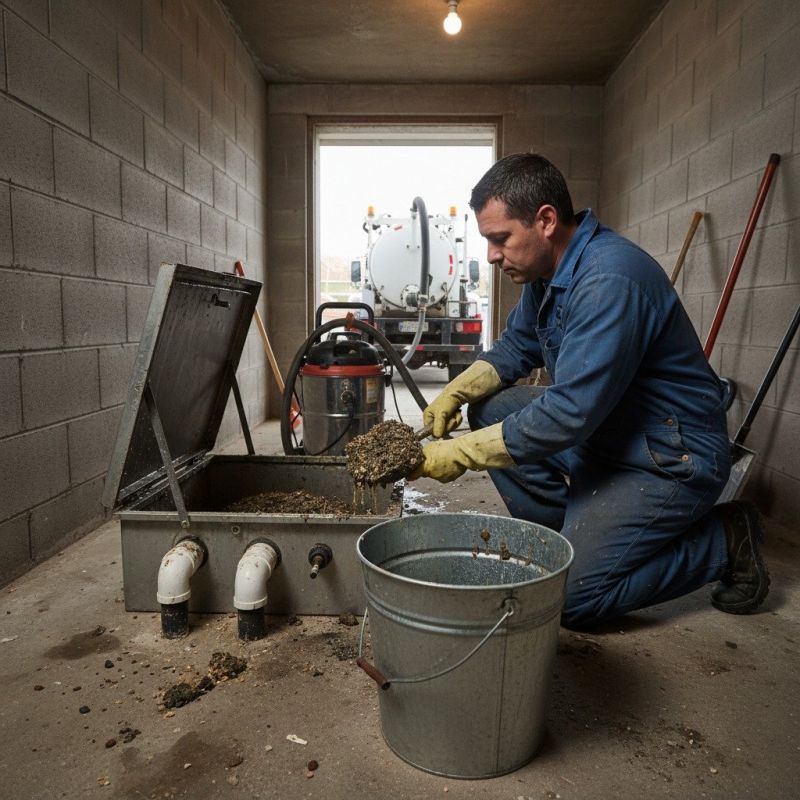
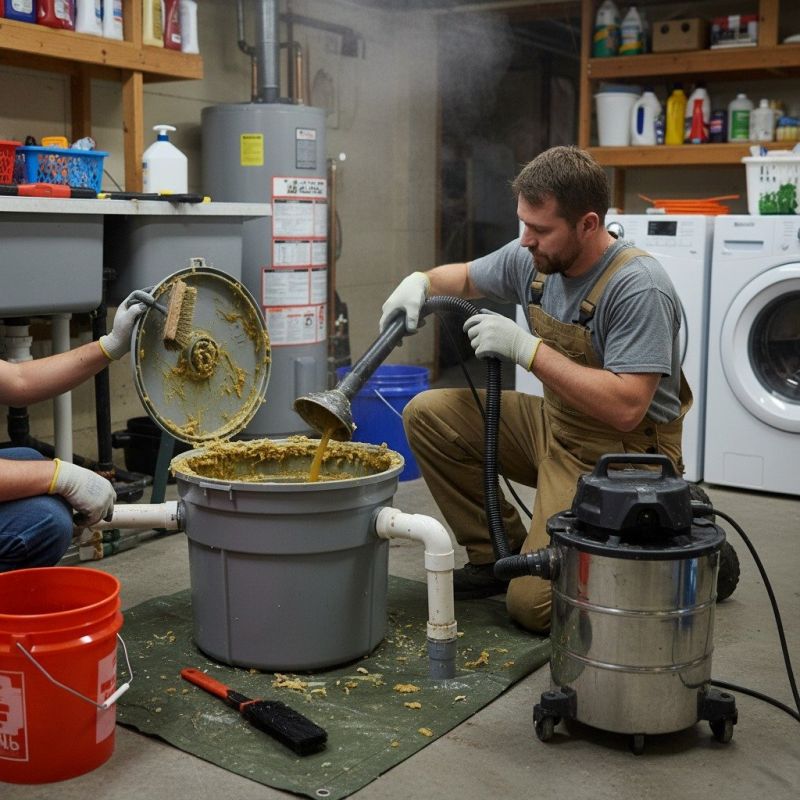
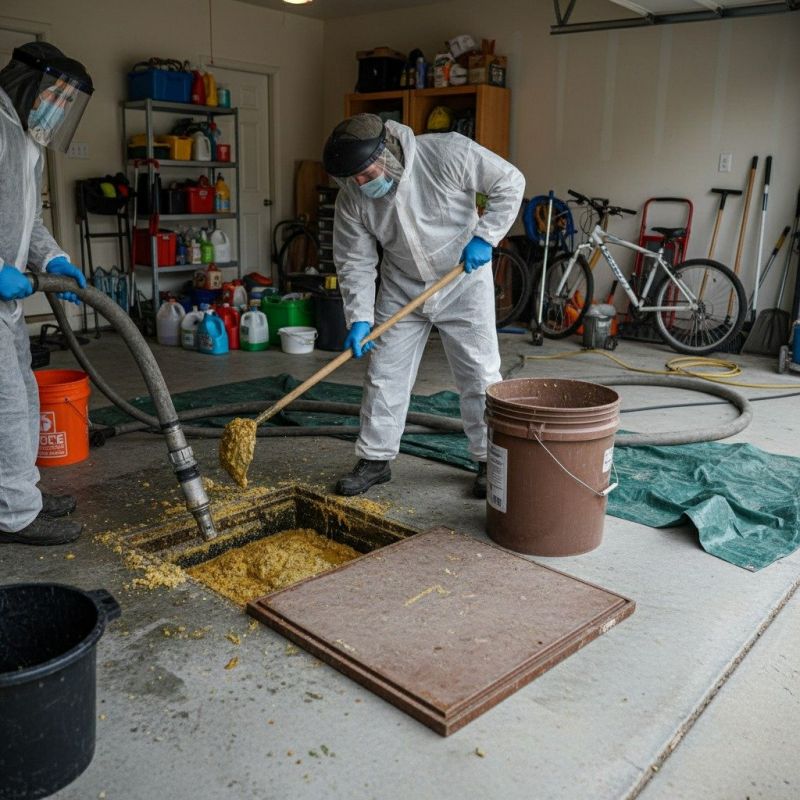
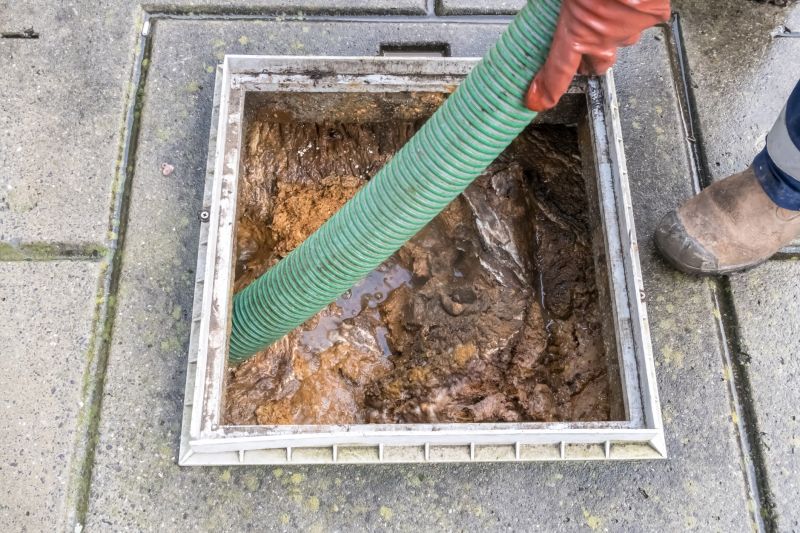
Learn how to compare and define the scope of grease trap pumping services offered by local contractors to ensure consistent expectations.
- Scope Definition - Clearly specify the extent of grease trap pumping services needed, including the size and location of the trap.
- Service Details - Describe the procedures involved, such as removal, cleaning, and disposal methods, to ensure comprehensive understanding.
- Experience Verification - Confirm that service providers have relevant experience with similar grease trap systems and facility types.
- Work Expectations - Outline the standards for quality, safety, and compliance to set clear expectations for the work performed.
- Written Agreement - Ensure all scope details, responsibilities, and terms are documented in a formal agreement before work begins.
When comparing contractors for grease trap pumping, it’s important to consider their experience with similar projects. Service providers who have a proven track record handling grease trap maintenance for facilities like restaurants, cafeterias, or commercial kitchens are more likely to understand the specific requirements and challenges involved. Asking about the types of sites they’ve serviced and the scope of past work can help gauge their familiarity with local regulations and industry standards, ensuring that the selected contractor has relevant expertise to meet the needs of the property.
A clear, written scope of work is essential when evaluating grease trap pumping contractors. This document should outline exactly what services are included, such as the frequency of pumping, inspection procedures, and any additional maintenance tasks. A detailed scope helps prevent misunderstandings and provides a basis for comparison between different service providers. It also sets clear expectations, making it easier to determine whether a contractor’s approach aligns with the specific needs of the site and whether their proposed services are comprehensive enough to maintain proper grease trap functionality.
Verification basics are a key part of assessing potential contractors. While licensing and certification are not the focus, it’s important to verify that a service provider follows proper industry practices, such as adhering to local health codes and environmental regulations. Asking about their process for confirming the proper disposal of waste and their experience with routine inspections can provide insight into their professionalism and reliability. Additionally, understanding how they document their work-such as providing service reports or maintenance logs-can help ensure transparency and accountability throughout the engagement.
Evaluating options without focusing on prices involves examining the quality of service and the contractor’s approach to the job. Consider how each service provider communicates, the thoroughness of their proposals, and their ability to customize solutions for specific site conditions. Comparing the clarity of scope, experience with similar projects, and verification procedures can help identify a contractor that offers consistent, dependable service. By focusing on these factors, property owners can make informed decisions that prioritize the long-term health of their grease traps and compliance with relevant standards, without being influenced solely by cost considerations.
Request written scope details from service providers to ensure clear expectations and consistent work.
- Scope of Services - What specific tasks are included in the grease trap pumping service offered by each contractor?
- Experience and Expertise - How long have the service providers been performing grease trap pumping, and what types of facilities have they served?
- Service Procedures - What methods and equipment do contractors use to ensure thorough and effective grease trap cleaning?
- Work Guarantees and Warranties - Do service providers offer any written assurances regarding the quality or completeness of their work?
- Communication and Clarification - How do contractors define the scope of work in writing to align expectations before beginning the service?
What should I consider when comparing contractors for grease trap pumping? It is important to review their experience, scope of services, and how clearly they define the work in writing to ensure the job meets specific needs.
How can I verify a contractor’s experience with grease trap pumping? Ask for details about their previous work, including the types of facilities served, and request references or proof of ongoing service quality.
Why is it important to define the scope of work in writing? Having a clear, written scope helps prevent misunderstandings, ensures all necessary tasks are included, and sets expectations for the service provider and the property owner.
What questions should I ask a contractor before hiring for grease trap pumping? Inquire about their experience, the methods they use, what is included in their service, and how they handle potential issues during the job.
How can I ensure a contractor understands my specific grease trap needs? Clearly communicate your facility’s setup, size, and any special requirements, and confirm these details are documented in the service agreement.
What is the benefit of comparing multiple contractors for grease trap pumping? Comparing different service providers allows for assessing their experience, scope of work, and professionalism to find the best match for specific requirements.
Understanding the key aspects of grease trap pumping services can help in making an informed decision. Visitors have learned how to compare different local contractors by clarifying the scope of work, verifying their experience, and establishing clear expectations in writing. This approach ensures that the chosen service provider aligns with the specific needs of the project and provides transparency throughout the process.
To find the right contractor for grease trap pumping, using the quote form allows for easy comparison of local service providers. It offers a straightforward way to gather information and connect with experienced professionals who can handle the job. Taking this step can help in identifying the best options available in the area, tailored to individual project requirements.