
Compare Local Contractors for Grease Trap Installation Services
Compare local contractors for grease trap installation to define project scope, verify experience, and set clear expectations in writing for a successful job.
Contractors who handle grease trap installation typically offer services that include assessing property needs, selecting appropriate trap sizes and types, and installing the equipment according to local codes and standards. This work often involves preparing the site, ensuring proper placement for optimal function, and connecting the trap to existing plumbing systems. Proper installation is essential for effective grease management and preventing plumbing issues, making it important to work with experienced service providers who understand the specific requirements of commercial kitchens, restaurants, or food processing facilities.
Clearly defining the scope of work is a key step in ensuring the project meets expectations. Property owners should specify details such as the size and capacity of the grease trap, the location for installation, and any additional work needed, like excavation or plumbing modifications. Having these details in writing helps prevent misunderstandings and provides a basis for comparing different contractors. It also supports transparency and accountability, making it easier to verify that the chosen service provider understands and can deliver on the project’s specific requirements.
When evaluating local contractors for grease trap installation, property owners should consider their experience with similar projects, the scope of services offered, and their reputation within the community. Gathering information about each contractor’s background, reviewing credentials, and checking references can provide insight into their reliability and expertise. Comparing how each service provider approaches the scope of work and requesting detailed written proposals can help identify the most suitable partner for the project. This approach ensures that property owners select a contractor capable of delivering quality work aligned with their needs.
Compare local contractors by outlining project priorities, verifying experience, and clearly defining scope and expectations in writing.
- Compare Contractor Credentials - Review the experience and reputation of local contractors to ensure reliable grease trap installation.
- Define Project Scope Clearly - Establish detailed expectations and requirements before engaging with service providers.
- Verify Experience and References - Confirm that contractors have relevant experience and can provide references upon request.
- Document Agreements in Writing - Ensure all project details, scope, and expectations are documented to prevent misunderstandings.
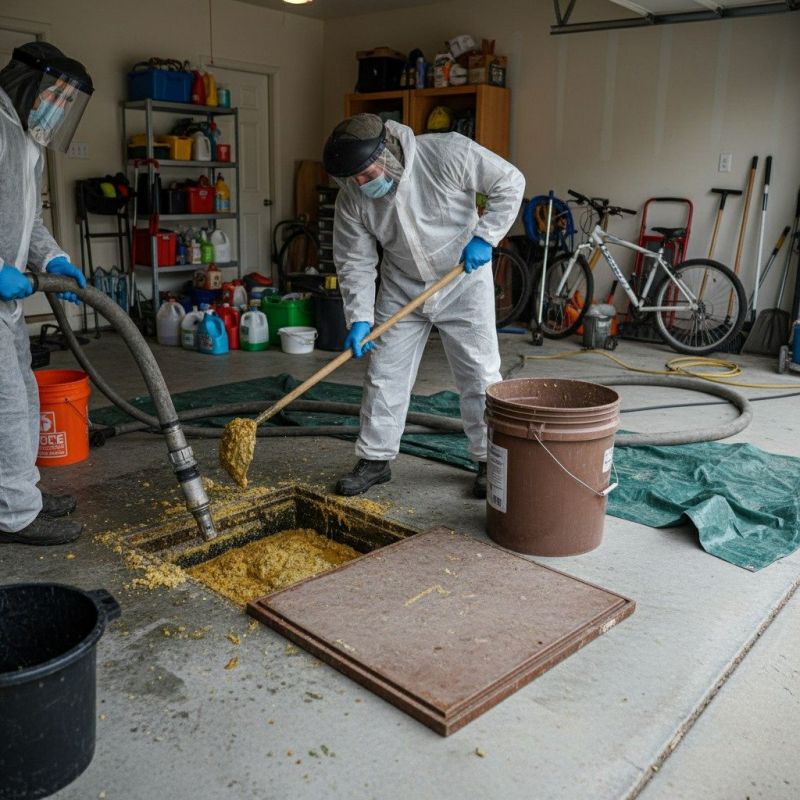
Clearly describe your grease trap installation project to effectively compare local contractors, define scope, verify experience, and set expectations in writing.
- Verify that the contractor has experience with grease trap installation in similar commercial or residential settings. - Ensure the scope of work is clearly defined and included in the written agreement.
- Check that the contractor understands local plumbing codes and regulations related to grease traps. - Confirm that the contractor provides detailed descriptions of the installation process and materials used.
- Assess the contractor’s ability to provide references or examples of previous grease trap installations. - Make sure expectations regarding project milestones and deliverables are documented in writing.
- Review the contractor’s plan for proper placement, sizing, and accessibility of the grease trap. - Ensure the scope includes any necessary permits or inspections required by local authorities.
- Compare multiple service providers to evaluate their experience, scope of work, and clarity in communication. - Focus on how well each contractor explains their approach and answers specific project questions.
Compare local contractors’ experience and clarify project scope to ensure a successful grease trap installation.
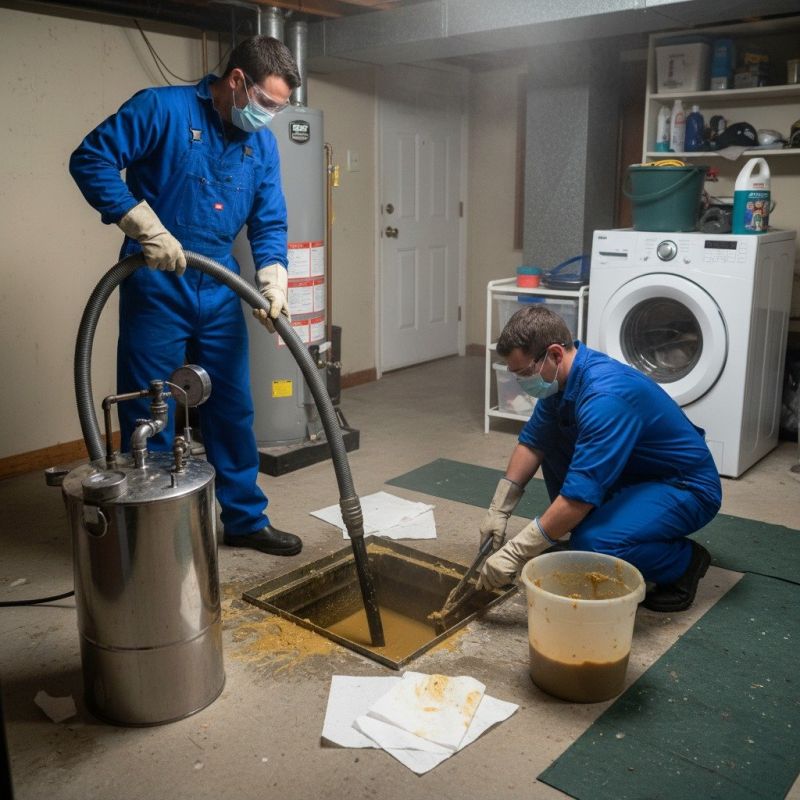
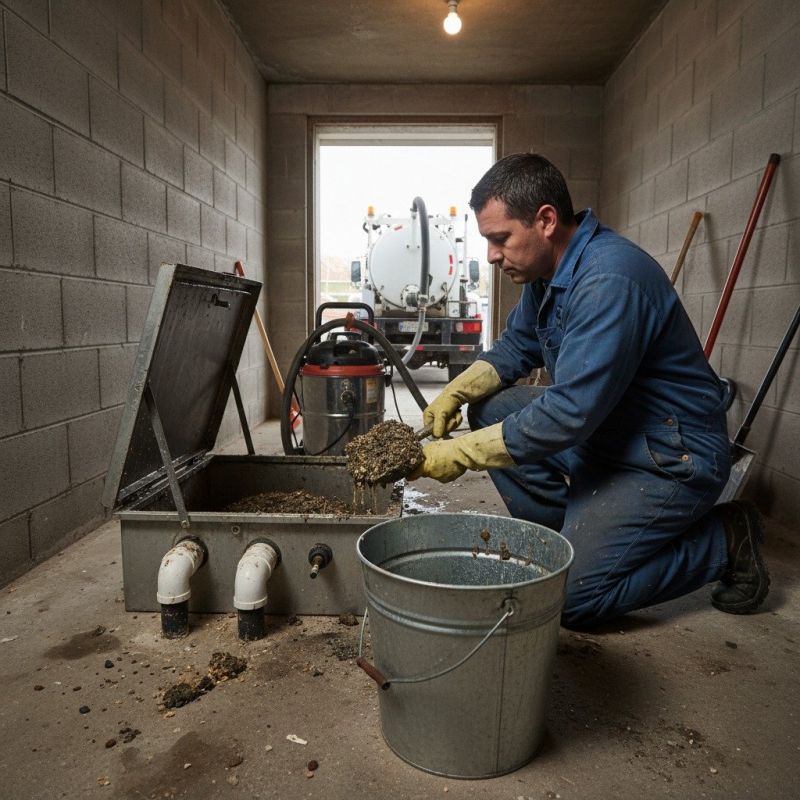
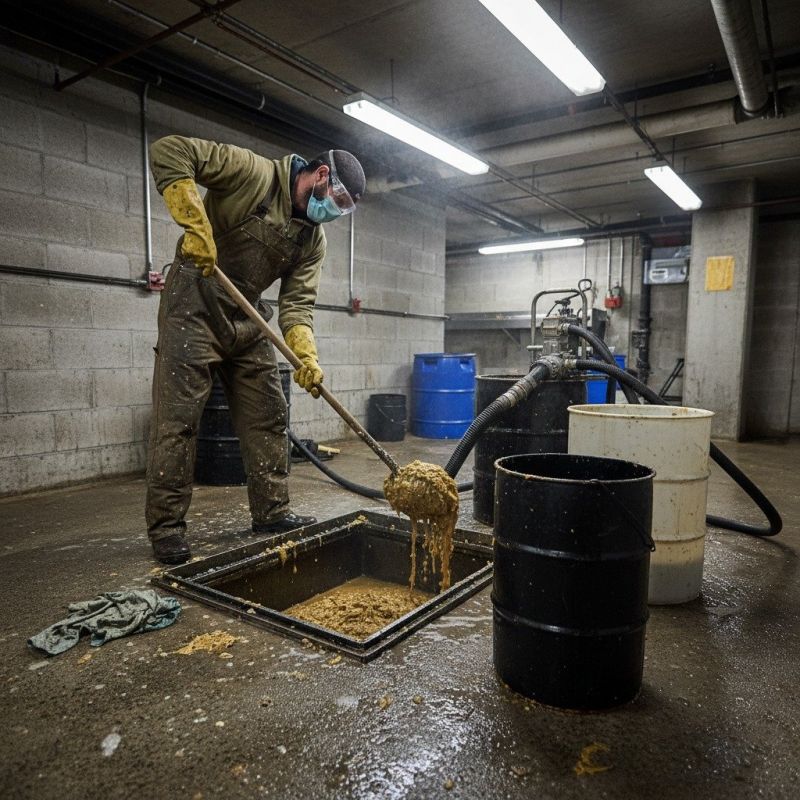
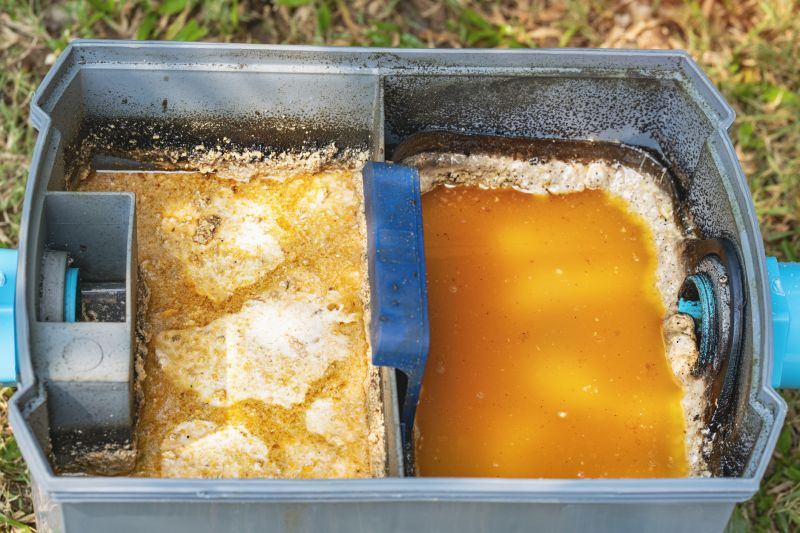
This scope builder helps compare local contractors, verify experience, and clearly define expectations for grease trap installation.
- Scope Definition - Clearly outline the specific tasks involved in the grease trap installation to ensure mutual understanding.
- Material Specifications - Identify the type and size of grease traps suitable for the application and ensure they meet relevant standards.
- Site Preparation - Determine the necessary site conditions and preparation steps required before installation begins.
- Installation Requirements - Specify the installation process, including connections, positioning, and integration with existing plumbing systems.
- Verification and Documentation - Establish criteria for inspection, testing, and documentation to confirm proper installation and compliance.
When evaluating contractors for grease trap installation, it is important to consider their experience with similar projects. Homeowners should inquire about the types of facilities or businesses they have worked with in the past, ensuring they have a proven track record in installing grease traps in environments comparable to their own. An experienced service provider will be familiar with common challenges and best practices, which can contribute to a smoother installation process and help prevent potential issues down the line.
A clear and detailed written scope is essential when comparing contractors. This document should outline the specific tasks involved in the grease trap installation, including site preparation, equipment placement, connection points, and any necessary permits or inspections. Having a comprehensive scope helps ensure that all parties share the same expectations and provides a reference point for evaluating the completeness of each proposal. It also helps prevent misunderstandings and scope creep as the project progresses.
Verification basics involve confirming that service providers can substantiate their experience and qualifications. Homeowners should seek references or examples of completed projects similar in scope, size, and complexity. Asking for a detailed description of the installation process can also reveal the contractor’s approach and attention to detail. Additionally, verifying that the contractor adheres to relevant codes and standards, even if not explicitly licensed or certified, can provide confidence in their professionalism and commitment to quality work.
When comparing options, homeowners should focus on the clarity of communication, the thoroughness of the written scope, and the provider’s experience with similar projects. It is helpful to ask service providers to explain their approach and to provide documentation that verifies their background. By emphasizing these factors, homeowners can make more informed decisions based on the quality and reliability of the contractors, rather than price alone. This approach ensures selecting a contractor who understands the project requirements and can deliver a well-executed grease trap installation.
Ask contractors for written scope details to ensure clarity and consistency before selecting a grease trap installation service.
- Experience and Qualifications - What specific experience do the service providers have with grease trap installation projects?
- Scope of Work - How do contractors define and outline the full scope of grease trap installation services?
- Comparison of Services - What differences exist between local contractors regarding the methods and materials used?
- Project Expectations - How do service providers clarify project requirements and deliverables in writing?
- References and Past Work - Can the contractors provide references or examples of previous grease trap installations?
What should I consider when choosing a contractor for grease trap installation? It's important to compare local contractors based on experience, reputation, and the scope of services offered. Verifying their background helps ensure they can handle the specific requirements of your project.
How can I define the scope of grease trap installation with a contractor? Clearly outline your needs and expectations in writing, including details about the size, location, and any additional work required, to help contractors provide accurate proposals.
What questions should I ask a contractor before hiring for grease trap installation? Inquire about their experience with similar projects, the equipment they use, and how they plan to manage the installation process to ensure it aligns with your requirements.
Why is it important to verify a contractor’s experience in grease trap installation? Confirming their background helps ensure they are knowledgeable about proper installation practices and local standards, reducing potential issues later on.
How can I compare different contractors for grease trap installation? Review their project scope, references, and communication approach to determine which provider best matches your project needs and expectations.
What should I do to ensure clear communication with a contractor about my grease trap project? Put all project details, expectations, and scope in writing, and confirm that the contractor understands and agrees to these terms before work begins.
This page has provided an overview of the key factors to consider when choosing contractors for grease trap installation. Visitors now understand the importance of clearly defining the scope of work, verifying the experience of service providers, and establishing expectations in writing to ensure a smooth process. Comparing multiple local contractors can help identify options that align with specific project needs and preferences.
To find the right service provider for grease trap installation, use the quote form to explore and compare local contractors. Gathering information from several professionals can help clarify available options and assist in making an informed decision tailored to individual requirements.