
Compare Local Contractors for Drain Line Replacement Services
Compare local contractors to define project scope, verify experience, and set clear expectations in writing for effective drain line replacement.
Drain line replacement is a specialized service that involves removing and installing underground pipes responsible for carrying wastewater from a property to the main sewer system or septic tank. This work typically covers diagnosing issues with existing drain lines, excavating to access the pipes, removing damaged or deteriorated sections, and installing new piping that meets the property’s specific needs. Properly replacing drain lines is essential for maintaining a property's sanitation and preventing potential water damage or backups, making it important for property owners to work with experienced contractors who understand the complexities of underground plumbing systems.
Defining the scope of drain line replacement projects is a crucial step in ensuring the work meets the property’s requirements. Clear communication about the extent of the replacement-such as which sections of piping need to be replaced, the type of materials used, and any additional repairs-helps prevent misunderstandings and scope creep. Property owners should work with contractors to establish detailed plans and written agreements that outline the work to be performed, the expectations for quality, and any necessary preparations or follow-up steps. Having a well-defined scope also facilitates comparisons between local service providers by highlighting their approach, experience, and the level of detail they offer in planning and executing the project.
When comparing local contractors for drain line replacement, property owners should consider several factors to make informed choices. It’s important to verify each contractor’s experience with similar projects, ask about their familiarity with local building codes and underground infrastructure, and review their process for diagnosing issues and planning replacements. Gathering information about the services offered, the materials used, and the approach to project management can reveal differences in quality and attention to detail. Additionally, requesting written descriptions of the scope and steps involved in each contractor’s plan helps ensure expectations are aligned, and that the chosen service provider is capable of delivering a thorough and reliable solution tailored to the property’s specific needs.
Compare local contractors by outlining project priorities, verifying experience, and establishing clear scope and expectations.
- Compare Contractor Experience - Review the backgrounds of local contractors to ensure relevant experience with drain line replacement.
- Define Project Scope Clearly - Establish detailed work expectations and responsibilities in writing before work begins.
- Verify Credentials and References - Check references and past work to assess the reliability and quality of local service providers.
- Request Written Estimates and Agreements - Obtain detailed written agreements that outline the scope, materials, and responsibilities involved.
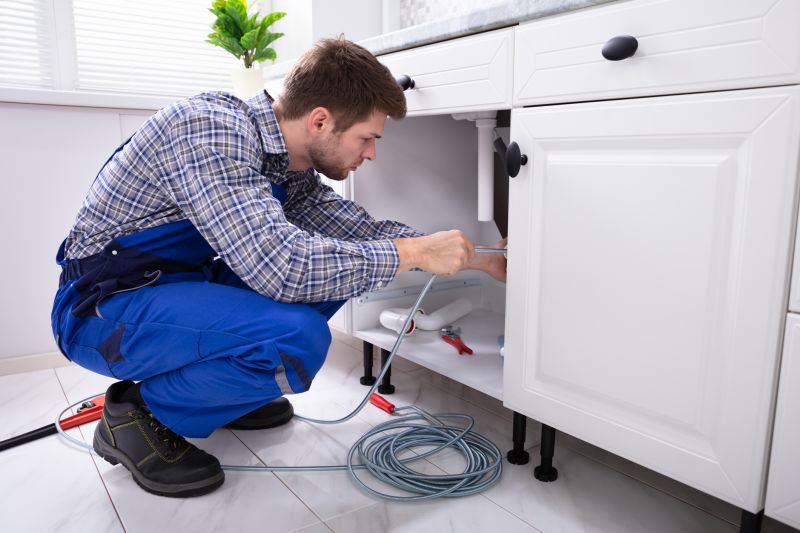
Clearly describe your drain line replacement project to help local contractors compare options and set clear expectations.
- Verify experience and expertise of local contractors specializing in drain line replacement. - Ensure contractors clearly define the scope of work and outline the specific tasks involved.
- Compare multiple service providers to assess their approach and methods for replacing drain lines. - Look for detailed explanations of the replacement process and materials used.
- Request written estimates or proposals that specify the work included and the materials to be used. - Confirm that all project details are documented to set clear expectations.
- Check references or reviews to gauge the quality of past drain line replacement projects completed by the contractor. - Seek feedback on their reliability and workmanship from previous clients.
- Discuss and document warranty policies and post-installation support offered by the service providers. - Clarify what coverage is provided for potential future issues.
- Ensure the scope, materials, and responsibilities are clearly outlined in a written agreement before work begins. - This helps prevent misunderstandings and provides a reference for the project.
Compare local contractors, define project scope clearly, verify experience, and set expectations in writing.
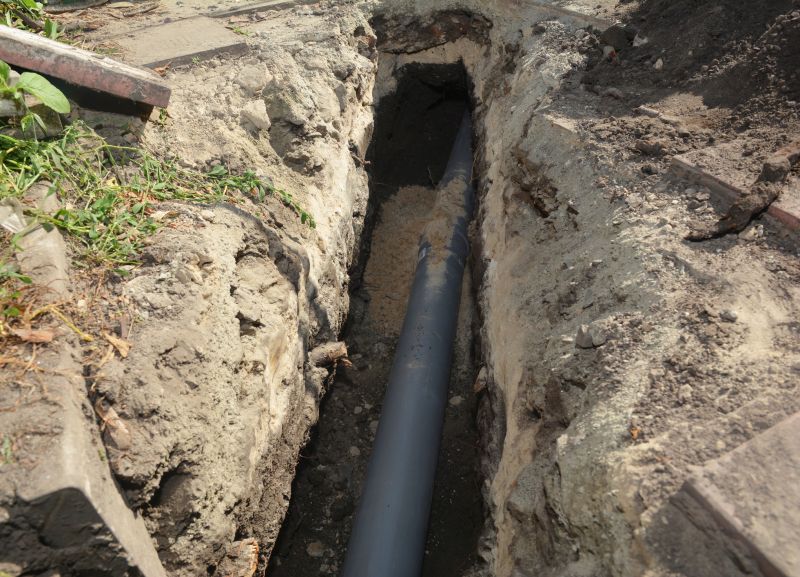
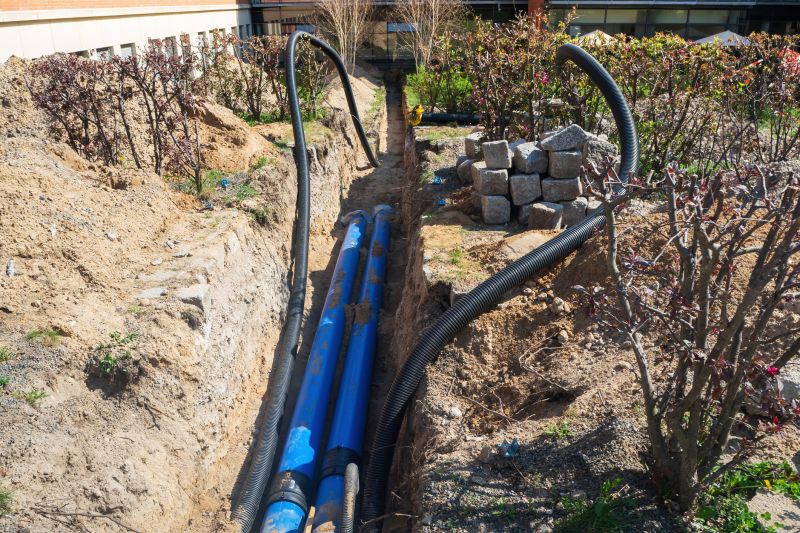
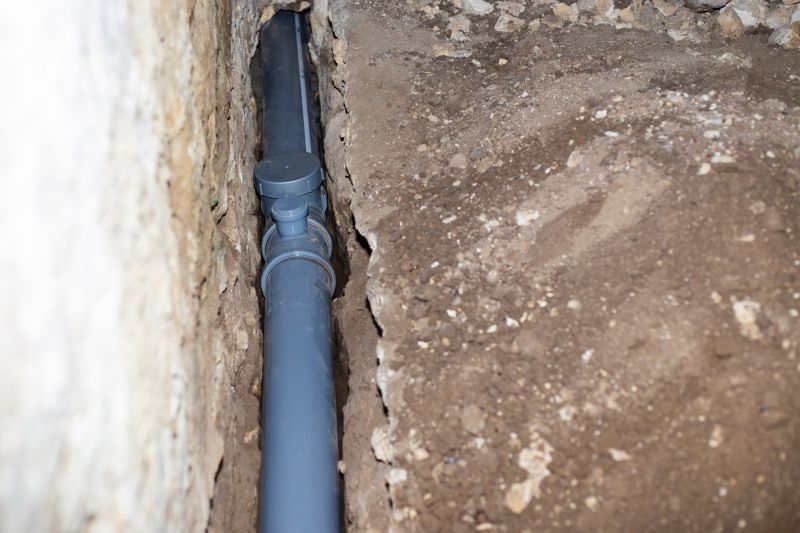
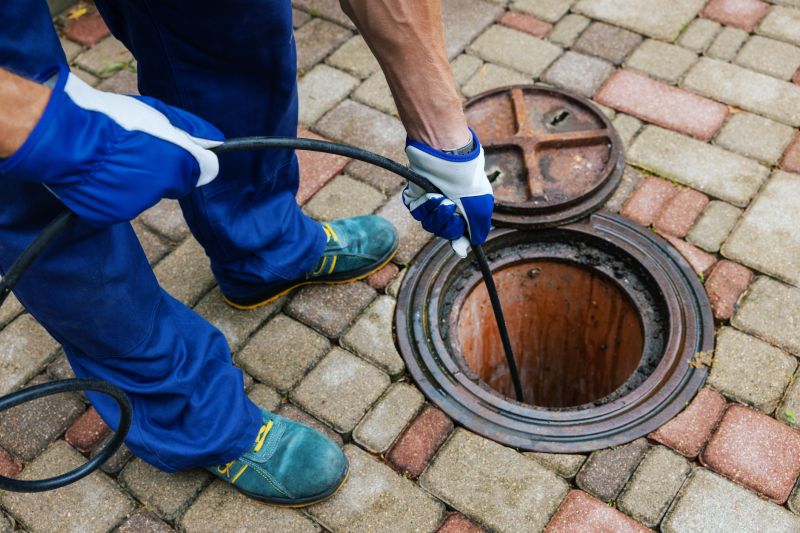
Use consistent comparison criteria across local contractors by clearly defining scope, verifying experience, and documenting expectations.
- Scope Definition - Clearly outline the specific tasks and materials involved in the drain line replacement project.
- Experience Verification - Confirm that the service providers have relevant experience with drain line removal and installation.
- Material Specifications - Specify the types of pipes and fittings to be used and ensure they meet project requirements.
- Work Site Expectations - Describe the work area preparation, access points, and any site-specific considerations.
- Written Agreement - Obtain a detailed, written scope of work that includes the responsibilities and deliverables of the service providers.
When comparing contractors for drain line replacement, it’s important to evaluate their experience with similar projects. Homeowners should seek service providers who have a proven track record of handling drain line replacements in residential settings. Asking about previous work can help determine if a contractor has the necessary familiarity with different types of drain systems, materials, and installation techniques. A contractor’s experience can influence the quality of work and help ensure that the project is completed efficiently and effectively.
A clear, written scope of work is essential when assessing different service providers. This document should outline the specific tasks involved in the drain line replacement, including the extent of excavation, materials to be used, and any additional services included. Having a detailed scope helps prevent misunderstandings and sets clear expectations for both parties. Homeowners should review the scope carefully and ensure that it covers all aspects of the project before moving forward with any contractor.
Verifying the basics of a contractor’s background involves confirming their familiarity with local building codes and standards, as well as understanding their approach to project planning and communication. Homeowners can ask service providers how they plan to approach the job, what steps they take to ensure quality, and how they handle unforeseen issues. While licensing and certification are not discussed here, understanding a contractor’s general approach and experience provides insight into their reliability and professionalism, helping homeowners make informed comparisons.
Evaluating options without focusing on prices involves examining the quality of the proposed scope, the clarity of communication, and the professionalism of each service provider. Homeowners should consider how well each contractor articulates their plan, their responsiveness to questions, and their willingness to put the scope in writing. Comparing these qualitative aspects can help identify which local contractors are best suited to meet the project’s needs, ensuring a smooth and transparent process from start to finish.
Ask contractors to provide written scope details to ensure clear expectations and consistent project understanding.
- Experience and References - What experience do the local contractors have with drain line replacement projects similar to the scope needed?
- Scope of Work - How do the service providers define and document the scope of work to ensure clear expectations?
- Comparison of Services - What services and methods do different local contractors recommend for drain line replacement?
- Warranty and Guarantees - Are the warranties or guarantees offered by the service providers clearly outlined in writing?
- Qualifications and Credentials - How do local contractors verify their experience and qualifications for drain line replacement work?
What should I consider when choosing a contractor for drain line replacement? It's important to compare local contractors based on their experience, reputation, and scope of services. Ensuring clear communication about the work to be performed helps set proper expectations and avoid misunderstandings.
How can I verify a contractor’s experience with drain line replacement? Ask for details about their previous projects and years of experience in drain line work. Checking references or reviews can also provide insight into their reliability and quality of work.
What questions should I ask to define the scope of the drain line replacement? Inquire about the extent of the work, materials used, and any additional services included. Clarifying these details in writing helps ensure all parties agree on the project’s scope.
Why is it important to get a written agreement with a contractor? A written agreement outlines the scope, expectations, and responsibilities, reducing the risk of misunderstandings and providing a clear reference throughout the project.
How can I compare different contractors effectively? Review their experience, scope of services, references, and communication style. Comparing these factors helps identify which service providers are best suited for the drain line replacement project.
What should I do before hiring a contractor for drain line replacement? Confirm their experience with similar projects, request detailed scope descriptions, and ensure all agreements are documented in writing to establish clear expectations.
This page provided an overview of how to find reliable contractors for drain line replacement, including tips on defining the scope of work, verifying experience, and ensuring all expectations are clearly outlined in writing. Visitors now have a better understanding of the key factors to consider when comparing local service providers to make an informed decision.
To explore options and connect with qualified local contractors, use the quote form to compare different providers in the area. This process can help identify the right professionals to handle the job, ensuring that the project aligns with individual needs and expectations.